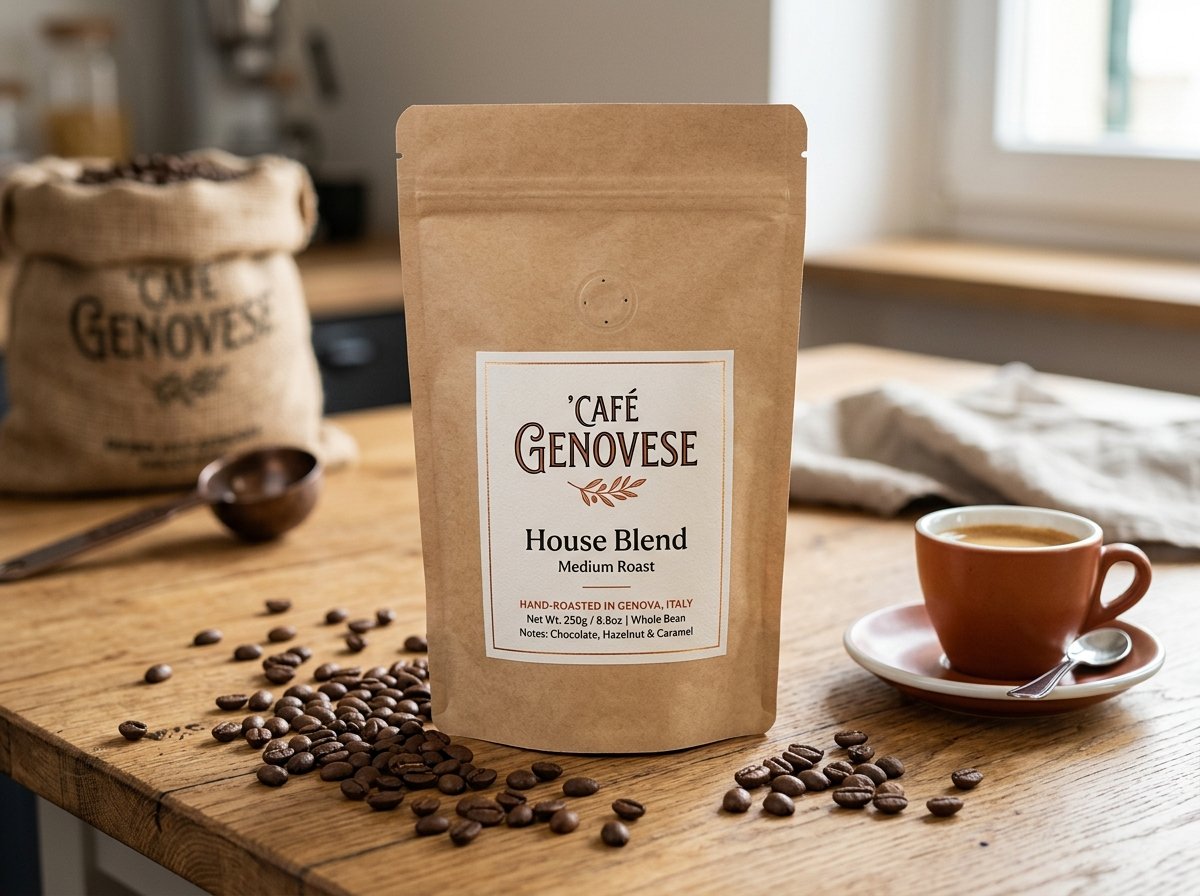
Store whole bean coffee in an opaque, airtight container with a one-way degassing valve in a cool, dark pantry at room temperature (65°F–72°F). Never store your daily coffee in the refrigerator or freezer, as repeated condensation introduces moisture that dissolves delicate solubles and rapidly oxidizes lipids.
The 4 Environmental Enemies of Fresh Coffee
Roasted coffee is hygroscopic, meaning it readily absorbs moisture, odors, and ambient humidity from its surrounding environment. In North Florida’s humid climate, protecting beans is vital:
- Oxygen: Oxidizes delicate coffee oils, producing stale, cardboard-like notes.
- Moisture: Accelerates degassing and invites mold if open to humid kitchen air.
- Light: Photodegradation from UV rays breaks down volatile aroma molecules.
- Heat: Speeds up chemical reactions, causing beans to go stale twice as fast.
Understanding the Degassing Curve
Freshly roasted beans contain trapped carbon dioxide (CO2). If you brew coffee on day 1 post-roast, excess CO2 forms large violent bubbles in your portafilter or pour-over cone, causing channeling. The sweet spot for consumption is between 7 days and 30 days post-roast.
Only grind what you are brewing right now. Ground coffee has hundreds of times more surface area than whole beans and will lose up to 60% of its volatile aromatics within just 15 minutes of grinding!
The Freezer Myth: Can You Ever Freeze Beans?
If you bought multiple bags of Signature House Blend and want to store beans for months: vacuum-seal an unopened bag, freeze it undisturbed, and when ready to use, allow it to thaw to room temperature completely before breaking the seal. Never freeze a bag you open and close daily!