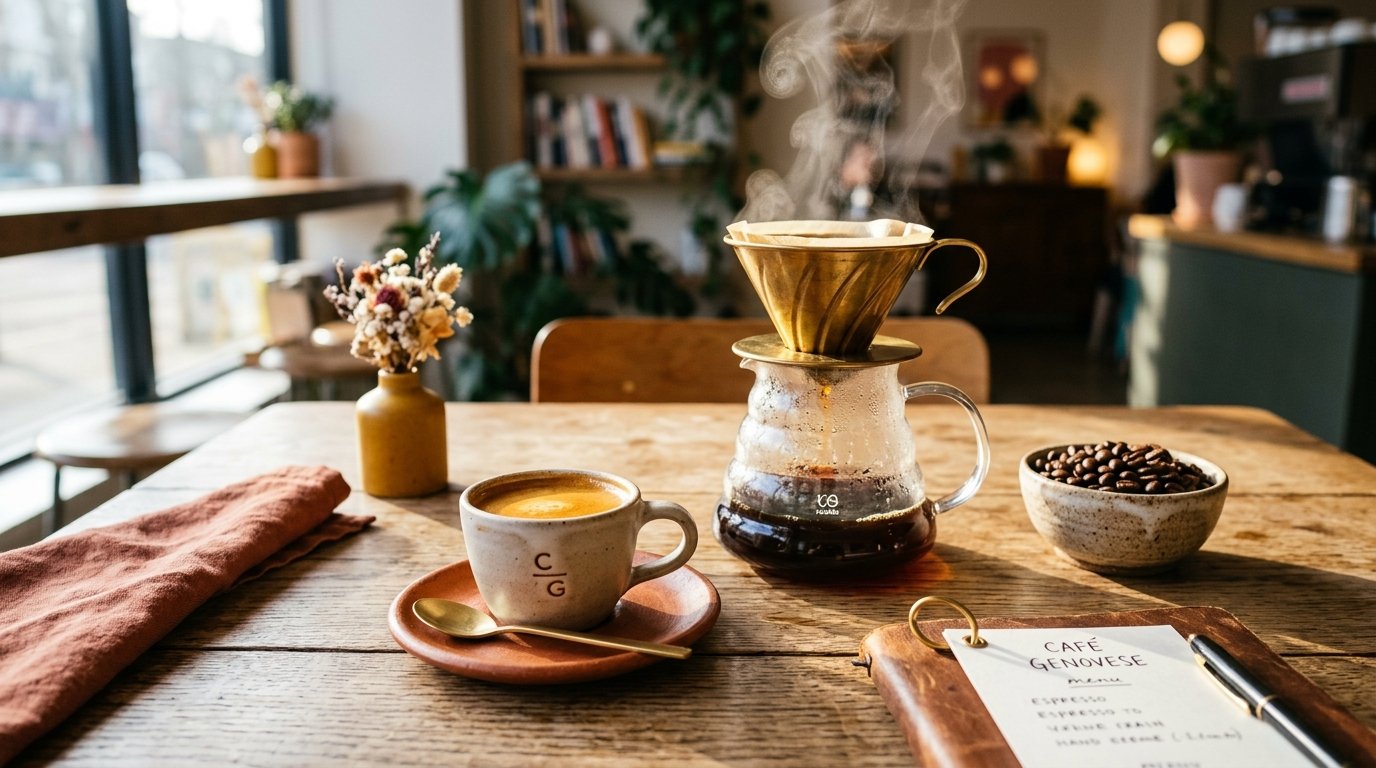
Specialty coffee is green coffee that scores 80 points or higher on a 100-point scale audited by certified Q Graders according to Specialty Coffee Association (SCA) cupping protocols. It requires 100% Arabica varietals, zero primary defects, complete agricultural traceability, and meticulous roasting to highlight origin terroir.
1. Origins of the Term "Specialty Coffee"
The phrase "specialty coffee" was first coined in 1974 by Erna Knutsen in the Tea & Coffee Trade Journal. Knutsen used the term to describe beans grown in specific microclimates that produced exceptional, unique cup flavor profiles that stood in stark contrast to the homogenous, stale commodity coffees packed in vacuum-sealed grocery cans.
2. The SCA 100-Point Cupping Protocol
Certified Q Graders assess coffees across ten distinct sensory criteria: fragrance/aroma, flavor, aftertaste, acidity, body, balance, uniformity, clean cup, sweetness, and overall impression.
- 90–100 Points: Outstanding (Rare presidential micro-lots and auction coffees).
- 85–89.99 Points: Excellent (Exceptional single origin lots).
- 80–84.99 Points: Very Good (Premium specialty grade coffee).
- Below 80 Points: Commercial commodity coffee (Not specialty).
3. Terroir, Altitude, and Microclimates
Much like fine wine, specialty coffee reflects terroir—the unique combination of soil chemistry, rainfall, elevation, and sunlight. Beans grown at elevations above 1,500 meters experience colder nighttime temperatures, which slows the maturation of the coffee cherry. This extended growth allows the fruit to develop dense sugars, delicate malic acids, and complex aromatic compounds.
When evaluating specialty coffee at home, let your cup cool slightly to 140°F (60°C). As coffee cools, our tongue's heat receptors desensitize, allowing subtle notes of stone fruit, cane sugar, and jasmine to blossom.
4. The Zero Primary Defect Requirement
To achieve specialty certification, a 350-gram green coffee sample cannot have a single Category 1 defect. A single black bean or sour pod fermented on the tree branch can ruin an entire batch with vinegar or rotten notes. Specialty producers utilize floating tanks and optical laser sorting to eliminate defects before shipping.
5. The Cafe Genovese Sourcing Promise
At Cafe Genovese in St. Johns, FL, every single bean we pour—from our balanced Signature House Blend to our high-altitude Morning Sunrise Light Roast—is 100% Arabica, ethically sourced, and roasted in small batches to preserve its natural origin sweetness.
Explore Related Guides & Offerings
Frequently Asked Questions
Is all Arabica coffee considered specialty coffee?
No. While specialty coffee must be Arabica, the majority of global Arabica production scores below 80 points due to defects, poor processing, or commercial blending.
Where can I buy specialty beans from Cafe Genovese?
You can pick up whole bean bags at our cafe counter at 1515 County Road 210 W in St. Johns, FL, or call (904) 829-0707 for call-ahead pickup.