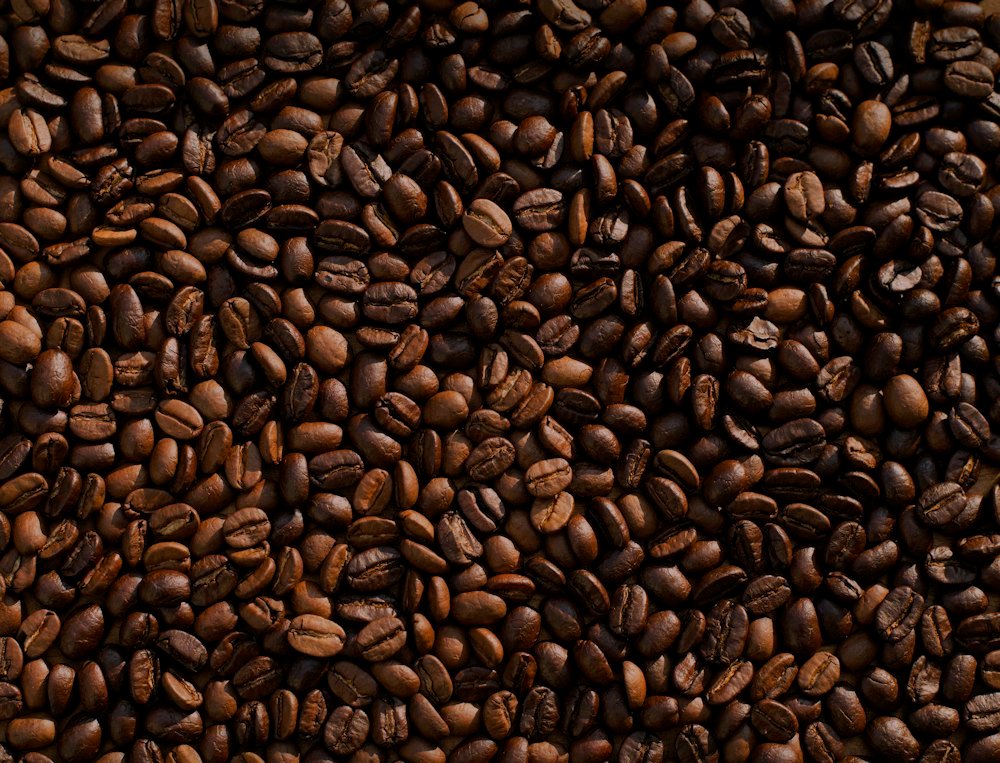
Light roast preserves origin terroir, highlighting bright floral aromatics, crisp citric/malic acidity, and a tea-like mouthfeel. Dark roast experiences pyrolysis past second crack, eliminating natural acidity in favor of heavy syrupy body, bittersweet cacao, and smoky notes. Caffeine content by weight is nearly identical between both roasts.
1. First Crack & Second Crack Thermodynamics
When raw green beans are charged into a roaster drum at ~400°F, heat converts internal water into pressurized steam. Around 385°F to 400°F, the bean cellular walls expand and audibly snap—a phenomenon called First Crack.
Light roasts are dropped immediately at or just past the completion of first crack. If the roaster continues adding thermal energy to 445°F–460°F, cellulose matrices break down and carbon dioxide ruptures the bean cell walls during Second Crack, forcing aromatic oils to migrate to the exterior surface—producing a classic dark roast.
2. The Great Caffeine Myth: Scoop vs. Scale
A common coffee legend claims dark roast has far more (or far less) caffeine than light roast. The truth depends on how you measure:
- By Volume (Using a Scoop): Light roast beans are smaller and more dense. A scoop holds more individual light beans than puffed dark beans, resulting in slightly more caffeine per scoop.
- By Weight (Using a Gram Scale): Dark roasting causes beans to lose ~18% of their water mass. Weighing out 20 grams of dark roast yields roughly equal (or marginally higher) caffeine molecules than 20 grams of dense light roast.
Always brew light roasts with water at 203°F–208°F to properly extract dense, complex sugars. For dark roasts, lower your water to 195°F–198°F to avoid burning brittle bean fines.
3. Acidity vs. Body Comparison
Think of coffee roasting as a balance scale:
Light Roast (Morning Sunrise): High origin transparency, high organic acidity, light tea-like body. Tasting notes include citrus zest, jasmine, peach, and crisp green apple.
Medium Roast (Signature House Blend): The golden midpoint. Sucrose caramelization yields rich milk chocolate, brown sugar, and toasted hazelnut with smooth acidity.
Dark Roast (St. Johns Cold Brew Lot): Heavy viscous mouthfeel, dark cacao nibs, molasses, and low perceived acidity.
4. Ideal Brewing Method for Each Roast
Match your roast to your gear:
- Light roasts shine in paper-filtered pour-over devices (see our V60 Pour-Over Guide).
- Medium roasts excel in drip coffee makers and French Presses.
- Dark roasts produce exceptional crema in Espresso Machines and zero bitterness in Cold Brew Immersion.